
India at Commonwealth Games 2026: Complete Performance of Indian Athletes
India completed a memorable campaign in Glasgow with 39 medals, a fourth-place finish, a record boxing performance, historic judo golds and its best-ever showing in Commonwealth para sport.
India at Commonwealth Games 2026: Campaign Overview
India finished the Commonwealth Games 2026 in fourth position with 39 medals: 13 gold, 17 silver and nine bronze. The final number was lower than India’s 61-medal haul at Birmingham 2022, but direct comparisons do not tell the full story because Glasgow staged a much smaller programme without several of India’s historically strongest sports.
The Glasgow Games were organised as a streamlined edition with only ten sports on the programme. Shooting, wrestling, badminton, hockey and table tennis were not included. Those five sports had contributed a major share of India’s medals in earlier editions, particularly in Birmingham 2022. India therefore entered Glasgow with fewer medal opportunities and a very different competitive challenge.
Against that background, fourth place was a strong result. India finished behind Australia, England and Canada and ahead of host nation Scotland. India and Scotland both collected 39 medals, but India took fourth position because it had more silver medals after both nations finished with 13 golds. More than 120 Indian athletes competed across able-bodied and para disciplines, and 38 individual athletes returned with at least one medal. Distance runner Gulveer Singh was the only Indian to win two medals.
The defining story was boxing. India topped the boxing medal table after winning seven gold and three silver medals. No country had previously won seven boxing golds at one Commonwealth Games. Athletics and para athletics together delivered 16 medals, while weightlifting continued to provide consistent podium finishes. Judo produced two landmark gold medals, the first Commonwealth Games judo titles in Indian history.
India’s campaign also carried significance beyond Glasgow. The closing ceremony passed the Commonwealth Games flag and baton to Amdavad, the host of the centenary Commonwealth Games in 2030. The Glasgow performance therefore became both an ending and the beginning of India’s next four-year journey as the future host nation.
India’s Final Medal Tally at Commonwealth Games 2026
| Sport | Gold | Silver | Bronze | Total |
|---|---|---|---|---|
| Boxing | 7 | 3 | 0 | 10 |
| Athletics | 0 | 5 | 5 | 10 |
| Weightlifting | 1 | 6 | 1 | 8 |
| Para Athletics | 3 | 2 | 1 | 6 |
| Judo | 2 | 1 | 1 | 4 |
| Para Powerlifting | 0 | 0 | 1 | 1 |
| Total | 13 | 17 | 9 | 39 |
Why 39 medals was still an important result
India’s total fell from 61 medals in 2022 to 39 in 2026, but Glasgow removed several sports in which India traditionally wins multiple medals. The absence of shooting, wrestling, badminton, hockey and table tennis drastically reduced India’s possible medal pool. Finishing fourth despite those exclusions showed that the country could remain competitive through boxing, athletics, para sport, weightlifting and judo.
Complete List of India’s Medal Winners at CWG 2026
India won 39 medals through 38 athletes. Gulveer Singh appeared twice in the list after winning silver in the men’s 10,000m and bronze in the men’s 5,000m. The complete medal-winning list is provided below.
| No. | Athlete | Sport | Event | Medal |
|---|---|---|---|---|
| 1 | Mirabai Chanu | Weightlifting | Women’s 48kg | Gold |
| 2 | Sharmila Dhankar | Para Athletics | Women’s Shot Put F57 | Gold |
| 3 | Dilip Mahadu Gavit | Para Athletics | Men’s 100m T47 | Gold |
| 4 | Soman Rana | Para Athletics | Men’s Shot Put F57 | Gold |
| 5 | Asmita Dey | Judo | Women’s 48kg | Gold |
| 6 | Harsh Singh | Judo | Men’s 60kg | Gold |
| 7 | Sakshi Chaudhary | Boxing | Women’s 51kg | Gold |
| 8 | Preeti Pawar | Boxing | Women’s 54kg | Gold |
| 9 | Jaismine Lamboria | Boxing | Women’s 57kg | Gold |
| 10 | Priya Ghanghas | Boxing | Women’s 60kg | Gold |
| 11 | Arundhati Choudhary | Boxing | Women’s 70kg | Gold |
| 12 | Sachin Siwach | Boxing | Men’s 60kg | Gold |
| 13 | Ankush Panghal | Boxing | Men’s 80kg | Gold |
| 14 | Rishikanta Singh | Weightlifting | Men’s 60kg | Silver |
| 15 | Muthupandi Raja | Weightlifting | Men’s 65kg | Silver |
| 16 | Gyaneshwari Yadav | Weightlifting | Women’s 53kg | Silver |
| 17 | Valluri Ajaya Babu | Weightlifting | Men’s 79kg | Silver |
| 18 | Harjinder Kaur | Weightlifting | Women’s 69kg | Silver |
| 19 | Lovepreet Singh | Weightlifting | Men’s +110kg | Silver |
| 20 | Sarvesh Kushare | Athletics | Men’s High Jump | Silver |
| 21 | Gulveer Singh | Athletics | Men’s 10,000m | Silver |
| 22 | Murali Sreeshankar | Athletics | Men’s Long Jump | Silver |
| 23 | Neeraj Chopra | Athletics | Men’s Javelin Throw | Silver |
| 24 | Praveen Chithravel | Athletics | Men’s Triple Jump | Silver |
| 25 | Mohammed Basil | Para Athletics | Men’s 100m T47 | Silver |
| 26 | Shubham Juyal | Para Athletics | Men’s Shot Put F57 | Silver |
| 27 | Yamini Mourya | Judo | Women’s 57kg | Silver |
| 28 | Jadumani Singh | Boxing | Men’s 55kg | Silver |
| 29 | Lovlina Borgohain | Boxing | Women’s 75kg | Silver |
| 30 | Narender Berwal | Boxing | Men’s +90kg | Silver |
| 31 | Jhandu Kumar | Para Powerlifting | Men’s Heavyweight | Bronze |
| 32 | Bindyarani Devi | Weightlifting | Women’s 58kg | Bronze |
| 33 | Shilpa K Shyla | Para Athletics | Women’s Shot Put F57 | Bronze |
| 34 | Gulveer Singh | Athletics | Men’s 5,000m | Bronze |
| 35 | Seema Kaliramna | Athletics | Women’s Discus Throw | Bronze |
| 36 | Tejaswin Shankar | Athletics | Men’s Decathlon | Bronze |
| 37 | Yash Vir Singh | Athletics | Men’s Javelin Throw | Bronze |
| 38 | Selva Prabhu Thirumaran | Athletics | Men’s Triple Jump | Bronze |
| 39 | Unnati Sharma | Judo | Women’s 63kg | Bronze |
Boxing: India’s Greatest Success Story in Glasgow
Indian boxing produced the most dominant chapter of the entire campaign. Ten Indian boxers reached the finals, and seven won gold. India finished on top of the boxing medal table and set a Commonwealth Games record for the most boxing gold medals won by one nation at a single edition.
The women’s team was outstanding. Sakshi Chaudhary won the 51kg title, Preeti Pawar took gold in the 54kg division and world champion Jaismine Lamboria defeated defending champion Michaela Walsh to win the women’s 57kg final. Priya Ghanghas ruled the 60kg category, while Arundhati Choudhary completed another confident campaign by winning the 70kg crown. Five women’s gold medals made this one of the strongest collective performances by an Indian women’s boxing team at a major multi-sport competition.
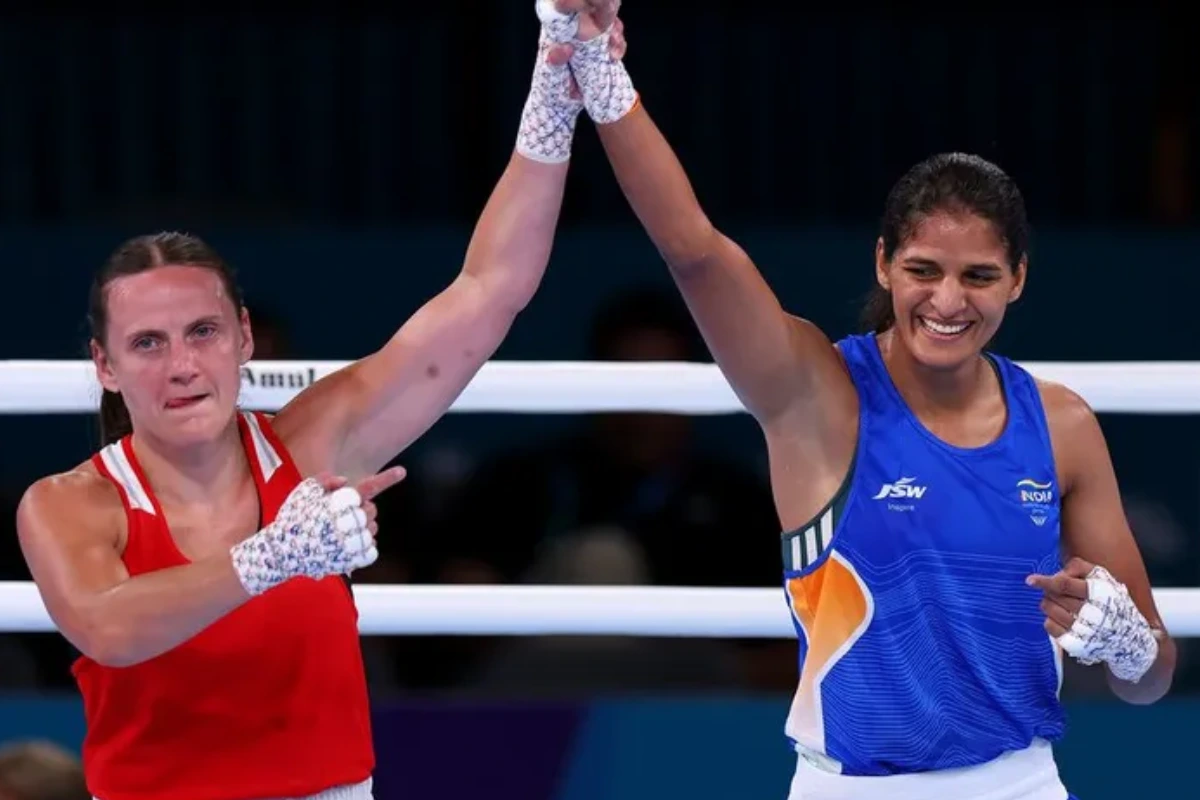
In the men’s draw, Sachin Siwach won gold in the 60kg category and Ankush Panghal triumphed in the 80kg division. Jadumani Singh finished with silver in the men’s 55kg event, while Narender Berwal took silver in the super-heavyweight category. Lovlina Borgohain, one of India’s most experienced international boxers, also secured silver after losing a close women’s 75kg final to Australia’s Emma-Sue Greentree.
The boxing results were important for two reasons. First, they converted India’s strength in depth into gold medals rather than only podium finishes. Second, the women’s team showed that India now has multiple title contenders across neighbouring weight divisions. The Glasgow performance will increase expectations before the Asian Games, World Championships and the next Olympic qualification cycle.
Athletics: Ten Medals and Several Historic Performances
India did not win an able-bodied athletics gold medal in Glasgow, yet the track and field team produced ten medals and some of the most memorable performances of the Games. Five silvers and five bronzes came from running, jumping, throwing and combined events, demonstrating a wider spread of Indian athletics talent than in many previous Commonwealth campaigns.
Neeraj Chopra returned to the Commonwealth Games podium with silver in the men’s javelin. Competing in cold and windy conditions, he produced a season-best throw of 85.83m. Sri Lanka’s Rumesh Tharanga Pathirage won gold with 89.75m. The event also delivered a major breakthrough for Yash Vir Singh, whose final-round personal best of 85.41m secured bronze and gave India two places on the javelin podium.
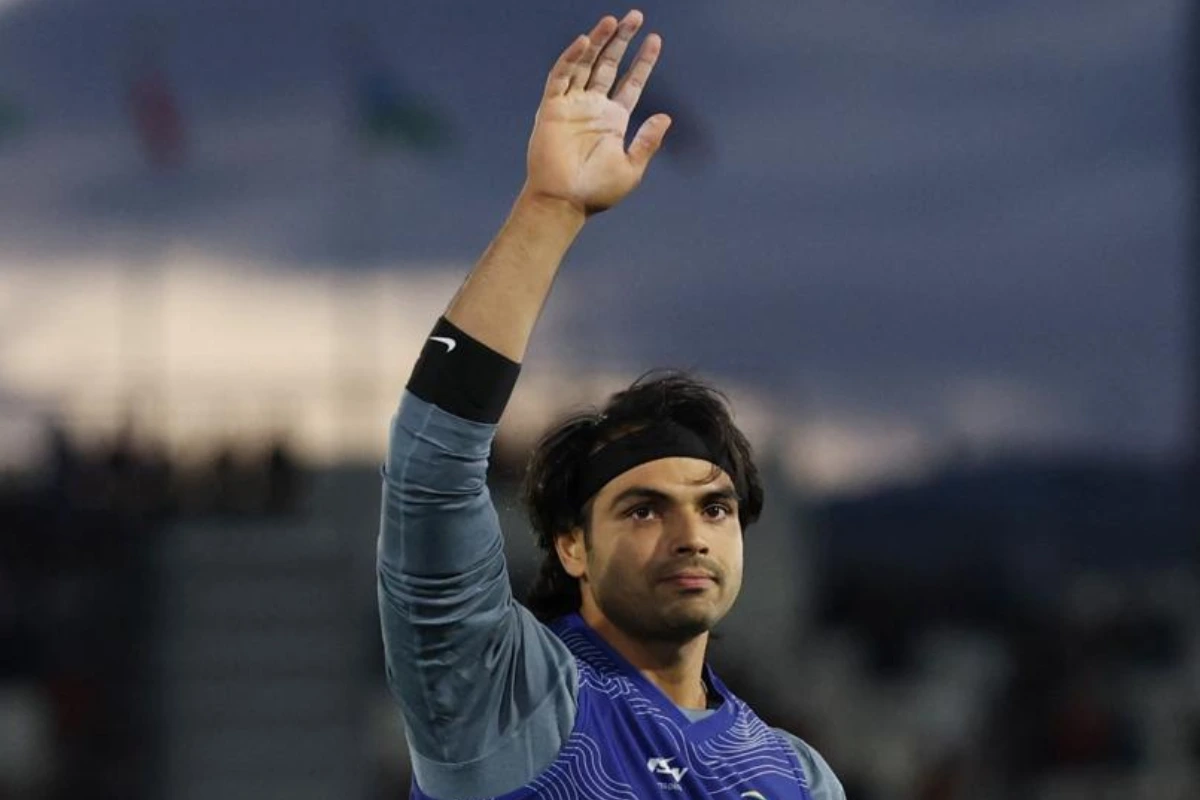
Gulveer Singh was India’s only double medallist of the Games. He won silver in the men’s 10,000m and then added bronze in the 5,000m. His 5,000m medal was India’s first in that event at the Commonwealth Games. By earning two individual track medals in one edition, Gulveer achieved a rare Indian athletics milestone and strengthened his position as one of the country’s leading distance runners.
Murali Sreeshankar won silver in the men’s long jump, adding another major medal after his successful return to international competition. In the triple jump, Praveen Chithravel took silver with 16.58m and Selva Prabhu Thirumaran followed with bronze at 16.52m. The two-medal result underlined India’s continuing strength in horizontal jumps.
Sarvesh Kushare opened India’s athletics medal account by clearing 2.25m for silver in the men’s high jump. Seema Kaliramna earned bronze in the women’s discus throw. Tejaswin Shankar won a historic bronze in the men’s decathlon, becoming India’s first Commonwealth Games medallist in the demanding ten-event competition.
Several athletes also came close to the podium. Pole vaulter Dev Kumar Meena finished fourth after clearing 5.30m, while Kuldeep Kumar placed sixth with 5.10m. Priyanka Goswami finished seventh in the women’s 10,000m race walk with a season-best time of 45:53.93. These results did not add medals, but they indicated growing competitiveness in events where India has previously had limited Commonwealth success.
Para Athletics: India’s Best-Ever Commonwealth Para Campaign
India’s para athletes were among the biggest heroes of Glasgow 2026. The para contingent won seven medals across para athletics and para powerlifting, matching the total number of para medals India had collected across all previous Commonwealth Games editions combined. Para athletics alone produced six medals: three gold, two silver and one bronze.
Sharmila Dhankar won gold in the women’s shot put F57, while Shilpa K Shyla claimed bronze in the same event. Their double podium provided an early indication that India’s para field athletes were ready for a breakthrough Games.
Dilip Mahadu Gavit delivered gold in the men’s 100m T47. Mohammed Basil made it an Indian one-two by taking silver. Their result showed the development of India’s para sprint programme and gave the country a high-profile track success.
On the penultimate day, Soman Rana won the men’s shot put F57 title with a season-best throw of 13.40m. Shubham Juyal took silver with 13.28m, producing another Indian one-two. Jhandu Kumar added bronze in the men’s heavyweight para powerlifting event to complete the seven-medal para haul.
Beyond the podium, Ramesh Shanmugam finished seventh in the men’s T54 1500m final. In para swimming, Ravi Veera Venkata Bhavan Budigina placed sixth and Ali Imam eighth in the men’s 50m freestyle S13 final. Teenage para-cyclist Lisha Das finished sixth in the women’s C4-C5 1000m time trial and became the final Indian athlete to complete an event at Glasgow 2026.
Weightlifting: Mirabai Chanu Leads an Eight-Medal Haul
Weightlifting remained one of India’s most dependable Commonwealth sports. The team won eight medals: one gold, six silver and one bronze. Although several lifters narrowly missed the top step, India consistently placed athletes on the podium across men’s and women’s categories.
Mirabai Chanu won India’s first gold medal of the Games in the women’s 48kg event. She lifted 85kg in snatch and 105kg in clean and jerk for a total of 190kg, setting Commonwealth and Commonwealth Games records. It was her third consecutive Commonwealth Games gold, confirming her status as one of India’s greatest weightlifters.
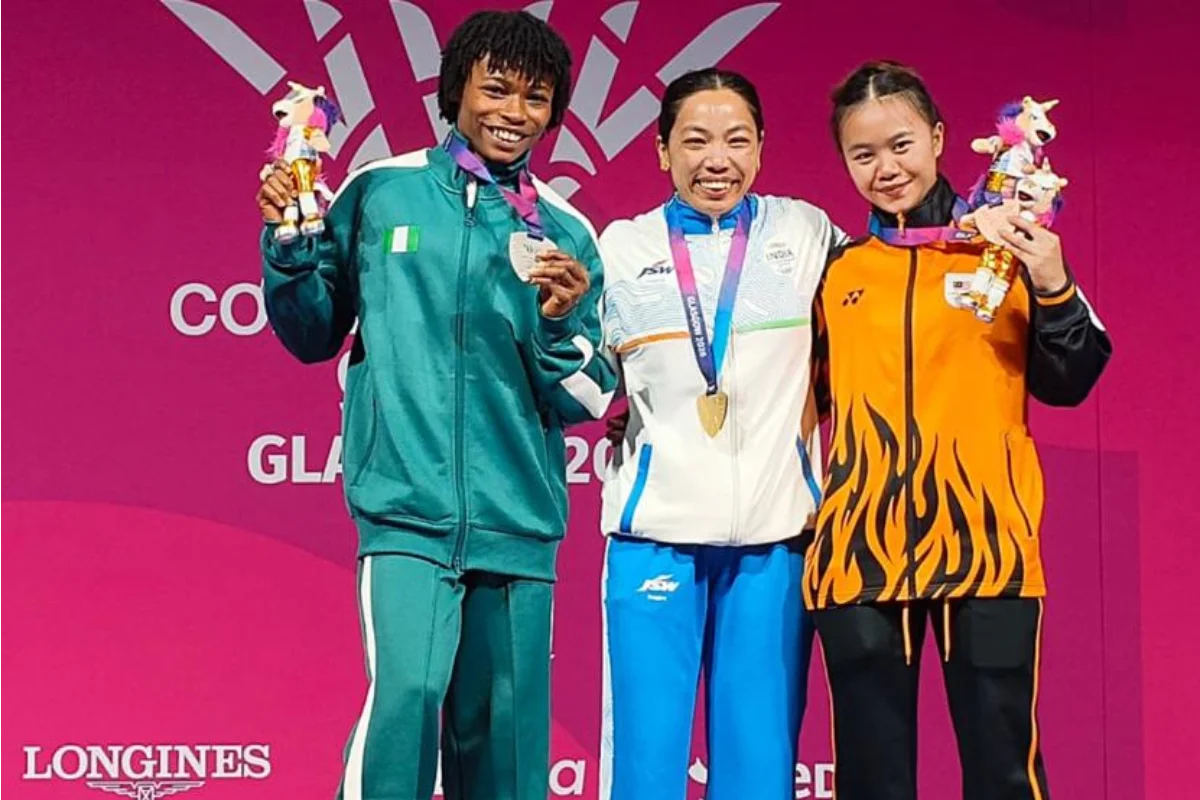
Rishikanta Singh won silver in the men’s 60kg category with a total of 264kg. He matched the Games record in snatch with 121kg but was restricted during clean and jerk by a knee problem. Muthupandi Raja followed with silver in the men’s 65kg event after lifting 126kg in snatch and 160kg in clean and jerk for a 286kg total.
Gyaneshwari Yadav, Valluri Ajaya Babu, Harjinder Kaur and Lovepreet Singh added four more silvers. Ajaya Babu recorded a 149kg snatch and 181kg clean and jerk for a total of 330kg, with his snatch recognised as a Commonwealth Games record. Lovepreet Singh also set a Games record in the snatch section of the men’s +110kg competition. Bindyarani Devi completed the weightlifting tally with bronze in the women’s 58kg category.
The six silver medals suggest that India remains highly competitive but must improve conversion in close finals. Better second-phase execution, attempt selection and clean-and-jerk consistency could turn several of those silver medals into gold at future Games.
Judo: India Wins Its First Commonwealth Games Gold Medals
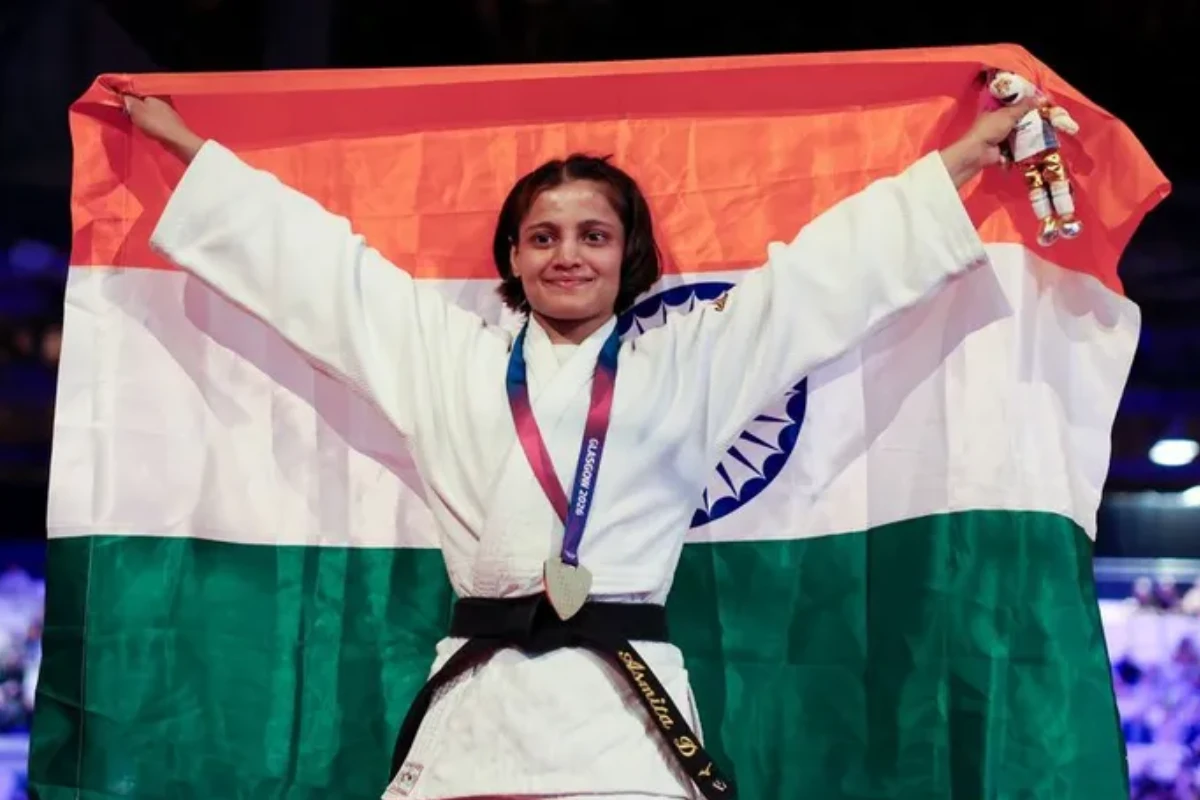
India’s judo team created history in Glasgow by winning its first Commonwealth Games gold medals in the sport. Asmita Dey and Harsh Singh claimed the landmark titles within a short period on the opening day of judo competition, changing the direction of India’s Commonwealth judo record.
Asmita Dey won the women’s 48kg gold after defeating Canada’s Heidi Quach in a tense final decided in golden score. Harsh Singh then won the men’s 60kg title by beating Australian Joshua Katz. The victory was especially significant because Harsh had worked his way back from a serious knee injury and a long rehabilitation period.
Yamini Mourya won silver in the women’s 57kg division after a demanding final against England’s Acelya Toprak. Unnati Sharma added bronze in the women’s 63kg event, recovering strongly after her semifinal defeat and winning the medal contest by ippon.
India also had near misses. Harsh Tokas lost the men’s 81kg bronze-medal bout, while Inunganbi Takhellambam and Karanjit Singh Maan were eliminated in repechage. On the final day, 19-year-old Ishroop Narang reached the women’s 78kg bronze-medal contest but lost to Canada’s Coralie Godbout in golden score. Yash Ghangas and Avtar Singh exited in the round of 16.
Even without another final-day medal, the four-medal judo campaign represented a major step forward. The breakthrough golds should raise expectations for sustained investment in international exposure, coaching and competitive depth.
Performance in Cycling, Gymnastics, Swimming, Basketball and Bowls
India did not win medals in every sport, but several athletes reached finals and gained valuable international experience. These results are important when assessing the complete performance of the Indian contingent rather than focusing only on the podium.
Artistic gymnastics
India’s artistic gymnasts returned without a medal. Protistha Samanta produced the best Indian result by finishing seventh in the women’s vault final. The campaign highlighted gaps in preparation, execution quality and depth compared with stronger Commonwealth programmes. For India to become competitive in gymnastics, athletes need more frequent high-level competitions and stronger technical support.
Swimming and para swimming
Indian swimmers did not reach the medal podium. The most notable final came in para swimming, where Ravi Veera Venkata Bhavan Budigina finished sixth and Ali Imam eighth in the men’s 50m freestyle S13. Reaching a Commonwealth final was valuable, but the results also showed the performance gap that must be closed before India can consistently challenge for swimming medals.
Track cycling and para cycling
Ronaldo Singh Laitonjam finished 20th in the men’s 1000m time trial. Harshveer Singh Sekhon and Dinesh Kumar were eliminated in the heats of the men’s 40km points race. Lisha Das placed sixth in the women’s C4-C5 1000m time trial. India remains in a development phase in track cycling, where equipment, aerodynamics, tactical experience and velodrome exposure play a major role.
3x3 basketball
India’s men’s 3x3 basketball team completed its sectional campaign with one win and four losses. Its final match ended in a narrow 6-7 defeat to Nigeria. The team did not reach the knockout rounds, but participation at this level offered a useful benchmark for India’s rapidly growing 3x3 programme.
Bowls
India began positively in bowls but could not convert the early momentum into medals. Putul Sonowal produced notable sectional victories in men’s singles before his semifinal hopes ended. In the women’s pairs, Pinki Singh and Rupa Rani Tirkey registered competitive wins but were eliminated after a close tie-break defeat against England. The results were disappointing after India’s historic bowls success in 2022, yet they again showed that Indian players can compete closely with established Commonwealth nations.
Major Records and Milestones Achieved by India
What India’s CWG 2026 Performance Means
India’s Glasgow campaign should be viewed as a transition tournament rather than a simple medal-count comparison with Birmingham. The reduced sports programme removed many of India’s traditional strengths, but it also exposed where the country has developed new competitive depth.
Boxing was the strongest positive. Seven gold medals, led by five women’s champions, showed a system capable of producing world-class athletes across multiple categories. The next challenge is to carry this consistency into World Boxing events and the Olympic cycle, where qualification structures and field depth are more demanding.
Athletics delivered quantity and variety. India won medals in distance running, high jump, long jump, triple jump, discus, javelin and decathlon. That spread is encouraging because it reduces dependence on one or two star athletes. However, five silver and five bronze medals without a gold also show the need for better championship conversion.
Para sport emerged as a genuine pillar of India’s medal strategy. The seven-medal performance was not a side story; it was central to India’s fourth-place finish. Sustained support for classification, sports science, equipment, international exposure and coaching could make para athletics and para powerlifting even stronger by 2030.
Weightlifting remained reliable, but six silver medals highlighted the narrow margins separating India from a much larger gold total. Judo’s two historic titles proved that targeted investment can produce rapid breakthroughs in sports that have not traditionally delivered Indian Commonwealth golds.
There were also clear areas for improvement. Gymnastics, swimming and cycling remain far from the Commonwealth medal standard. India needs deeper domestic competition, specialised infrastructure and more international exposure in these disciplines. Bowls was competitive but could not repeat its 2022 podium success, while 3x3 basketball remains at an early development stage.
Overall, India’s 39 medals represented resilience and adaptation. The contingent finished fourth despite a programme that excluded many favourable events. More importantly, the campaign produced records, firsts and breakthrough athletes who can form the core of India’s preparations for the 2030 Commonwealth Games on home soil.
- Best sport: Boxing, with seven gold and three silver medals.
- Most complete area: Athletics and para athletics, which combined for 16 medals.
- Biggest breakthrough: India’s first two Commonwealth Games judo gold medals.
- Leading individual story: Gulveer Singh’s two-medal distance-running campaign.
- Future priority: Converting silver medals into gold while developing swimming, cycling and gymnastics.
Frequently Asked Questions
How many medals did India win at Commonwealth Games 2026?
India won 39 medals: 13 gold, 17 silver and nine bronze. For a complete breakdown of the final standings, see our Commonwealth Games 2026 Medal Tally Rankings.
What was India’s final rank at CWG 2026?
India finished fourth in the final medal table, behind Australia, England and Canada.
Which sport won the most medals for India?
Boxing and able-bodied athletics each won ten medals. Boxing produced the most gold medals, with seven titles. For the complete list of Indian medal winners, see our Medalists of Commonwealth Games 2026 Glasgow for India.
Who won India’s first gold medal in Glasgow?
Mirabai Chanu won India’s first gold in the women’s 48kg weightlifting event with a record total of 190kg.
How many Indian boxers won gold?
Seven Indian boxers won gold: Sakshi Chaudhary, Preeti Pawar, Jaismine Lamboria, Priya Ghanghas, Arundhati Choudhary, Sachin Siwach and Ankush Panghal.
Who was India’s only multiple medallist?
Gulveer Singh won silver in the men’s 10,000m and bronze in the men’s 5,000m.
Where will the next Commonwealth Games be held?
The 2030 Commonwealth Games are scheduled to be held in Amdavad, India, as the centenary edition of the Games.
Sources and Verification
The final medal tally and medal-winner list were checked against the official Glasgow 2026/Commonwealth Sport results and the Indian Olympic Association’s CWG 2026 page. Event details were cross-checked with official Commonwealth Sport reports, Olympics.com and established sports news reports published after the Games concluded.
Explore the Complete Commonwealth Games 2026 Medal Table
See the final rankings, gold, silver and bronze totals for every participating nation.
View CWG 2026 Medal Tally