The Asian Games 2026 mascot logo brings together two different parts of the event’s identity: Honohon, the official mascot, and the Aichi-Nagoya 2026 emblem. One gives the Games a friendly face. The other represents the host region through colour, movement and local symbols.
If you have seen the character or colourful emblem online, you may wonder what they mean. Is Honohon an animal? Why does the logo feature purple, gold and green? And where can you find the official designs?
This guide answers those questions in plain language, with details from the organisers and the Olympic Council of Asia.
Asian Games 2026 Mascot Logo: Quick Facts
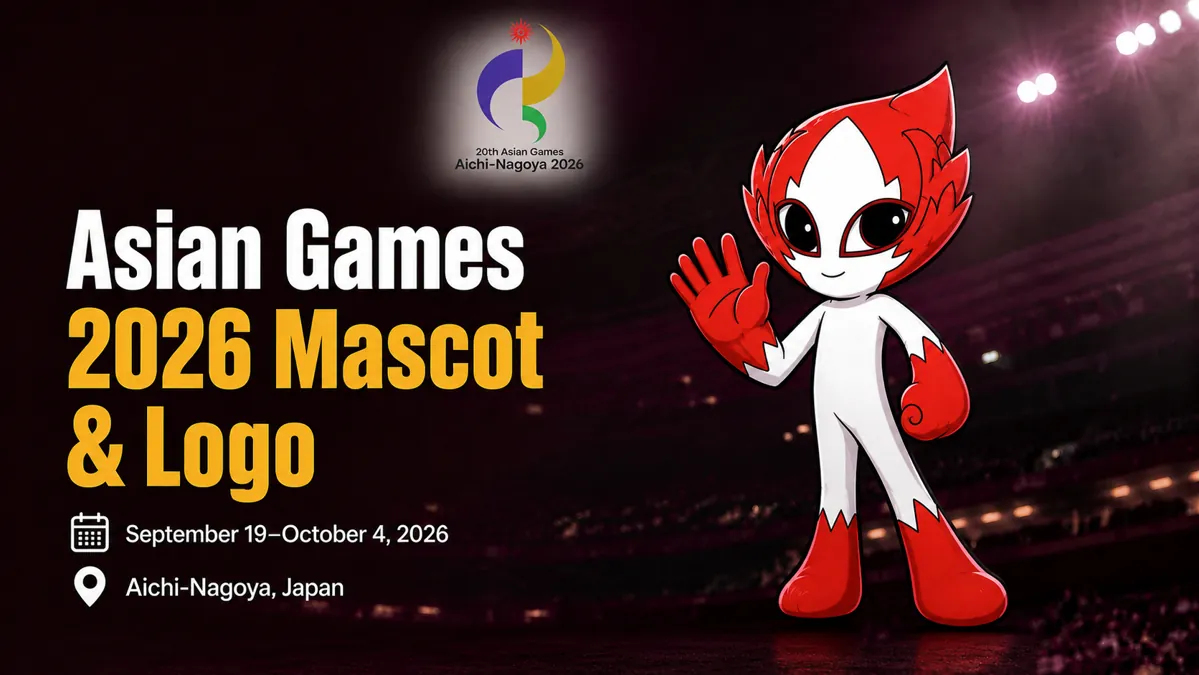
Honohon is the official mascot of the 2026 Asian Games. Its story combines athletes’ burning passion with the Shachihoko, a guardian symbol associated with Aichi-Nagoya. The official emblem uses flowing curves and a red sun to express sport, unity and movement towards the future. Official mascot profile; official emblem explanation.
Here is a quick reference before we look at the details:
| Question | Answer |
|---|---|
| What is the official event name? | 20th Asian Games Aichi-Nagoya 2026 |
| Which country is hosting? | Japan |
| What is the mascot’s name? | Honohon |
| What is the official slogan? | IMAGINE ONE ASIA |
| When are the Games? | September 19–October 4, 2026 |
The opening ceremony takes place on September 19. However, some sporting competition begins earlier, so fans should check individual event schedules when planning their viewing. Olympic Council of Asia event update.
What Is Honohon?
Honohon is the character created to represent the Aichi-Nagoya Asian Games. Its official story starts with the strong feelings inside athletes’ hearts. That passion becomes a flame and joins with the Shachihoko.
The result is a mascot that links competitive sport with the host region’s identity.
Its name comes from “Honoho,” an older expression connected with flame. The organisers chose “Honohon” to give the name a friendlier sound.
Several details help explain its character:
- Large eyes: They watch athletes performing across Asia.
- Shachihoko-like ears: They hear cheering and children’s laughter.
- Curious personality: Honohon enjoys learning and trying things.
- Love of sport: Its goal is to learn the Games’ sporting events.
The official profile also gives Honohon a playful weakness: working too hard makes it sleepy. These small touches make the mascot easier to remember than a name and picture alone. Meet Honohon.
Is Honohon an Animal or a Flame?
Honohon is a fictional character inspired by flame and the Shachihoko. Calling it simply a tiger or fish misses part of its story.
The Olympic Council of Asia describes the Shachihoko as a mythical tiger-fish creature from Japanese folklore. Honohon draws on that tradition while representing the drive and determination of athletes. OCA’s introduction to Honohon’s symbolism.
For readers researching the Asian Games 2026 mascot logo, this distinction matters. The character is more than a general sports cartoon. Its background connects the event with the place hosting it.
Think of the mascot as an introduction to local culture. A child may first notice its expression. A sports fan may connect with its fiery theme. Someone interested in Japan may recognise its link with the Shachihoko.
That gives different audiences several ways to engage with the same character.
What Does the Asian Games 2026 Logo Mean?
The official logo, also called the Games emblem, uses smooth curves to suggest the energy of sport.
Those lines come together and move towards a bright red sun, the symbol of the Olympic Council of Asia. The design expresses people joining together and moving towards the future.
What Do the Colours Represent?
Each main colour connects with the host region:
- Purple refers to the iris, Aichi’s prefectural flower.
- Gold represents the Kinshachi, the golden tiger-fish ornaments on Nagoya Castle.
- Green reflects the region’s environmental awareness.
- Red appears in the OCA sun.
Are There Letters Hidden in the Emblem?
Yes. The purple curve and central line suggest an A, linking Asia and Aichi. The purple and gold elements suggest an N for Nagoya.
The organisers credit Hiroshi Miyashita as the emblem’s creator. Official emblem concept and creator.
When you next look at the Asian Games 2026 mascot logo, try finding those letters before reading the event name underneath. It is a simple way to notice details that can disappear in a small social media thumbnail.
Mascot vs Logo: What Is the Difference?
A mascot and an emblem serve related purposes, but they are separate designs.
A mascot is a character. It can have a name, personality and story. A logo or emblem is a visual mark that identifies an event or organisation.
This is why a search for “Asian Games 2026 mascot logo” can show different types of images. Some results feature the character. Others show the emblem, and some promotional layouts include both.
Use these labels when looking for a specific image:
| What you want | Search phrase to try |
|---|---|
| The official character | Aichi-Nagoya 2026 Honohon mascot |
| The event symbol | Aichi-Nagoya 2026 official emblem |
| The event’s message | Aichi-Nagoya 2026 official slogan |
| An explanation of the designs | Asian Games 2026 mascot logo meaning |
Choosing the right phrase can save time, especially when you need an image for a school presentation or sports explainer.
What Does “IMAGINE ONE ASIA” Mean?
The official slogan invites people to imagine a more connected Asia through sport.
According to the organisers, the message centres on sport’s ability to bring people together across differences in language, culture and nationality. It also includes athletes, volunteers, spectators and others who share the Games experience. Official ticketing guide: emblem and slogan.
For a fan, that idea is easy to understand through a match. You can appreciate a fast sprint, a close finish or a fair gesture without speaking the same language as the athlete.
The slogan provides the words behind that shared experience. The character and emblem give it a visual form.
Where Can You Find Official Mascot and Logo Images?
Start your Asian Games 2026 mascot logo search with the organising committee’s website.
Two useful destinations are:
- The official mascot page for Honohon.
- The official emblem, slogan and core graphics page for the Games identity.
These pages help you compare an image with the organiser’s reference before using it in your research.
A Simple Image-Checking Process
When browsing image results, follow these steps:
- Open the source page. A thumbnail alone gives little context.
- Check the event name and year. Make sure the page refers to Aichi-Nagoya 2026.
- Compare the design. Look for altered text, missing elements or unusual colours.
- Read the caption. It should identify the image clearly.
- Check any stated usage conditions. Viewing an official image does not tell you which reuse options the owner offers.
For a school project, save the source link alongside your notes. For an article, keep the image credit with the caption. Both habits make later fact-checking much easier.
How Is Honohon Helping Promote the Games?
Honohon has already appeared in promotion outside Japan.
In July 2026, the Olympic Council of Malaysia welcomed the mascot to Kuala Lumpur ahead of an Asian Games Fun Run. The OCA reported that Honohon’s visit supported the event and brought finisher medals for participants. OCA report on Honohon in Malaysia.
This offers a practical example of a mascot’s role. The character can introduce the Games to people who may not yet follow the competition schedule or know the athletes.
It also gives a community event a recognisable connection with the larger sporting occasion. A photo, school activity or fun run can become someone’s first encounter with Aichi-Nagoya 2026.
Planning to Follow the Games?
Once you recognise the official designs, the next useful step is finding the sports and sessions you want to watch.
Keep a short checklist:
- Choose your favourite sports.
- Check the dates for preliminary rounds and finals.
- Confirm the time zone before setting reminders.
- Recheck viewing information close to the event.
- Use the organisers’ schedule for any last-minute updates.
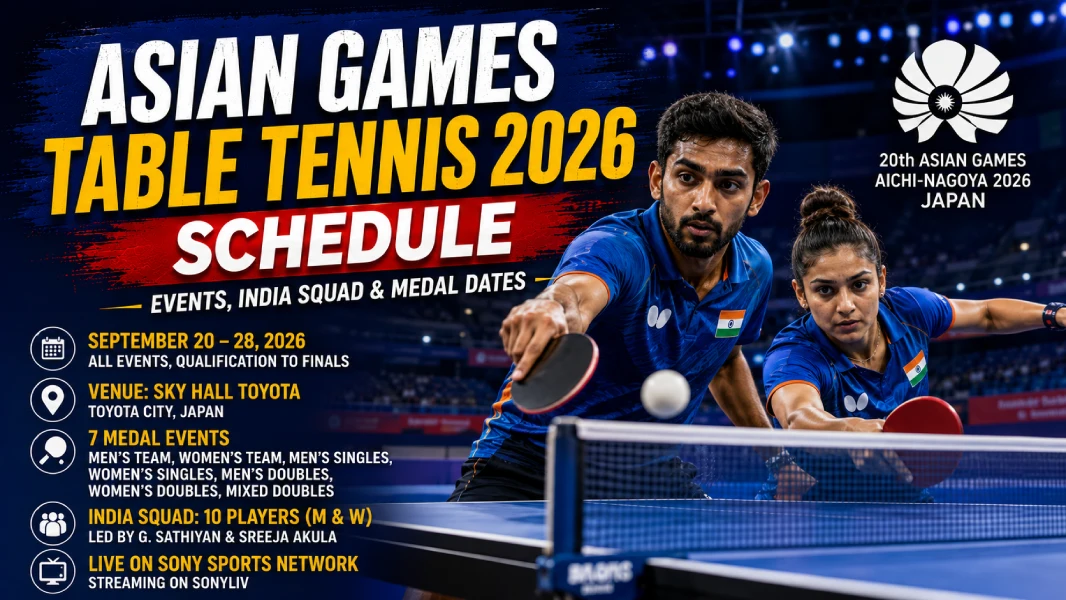
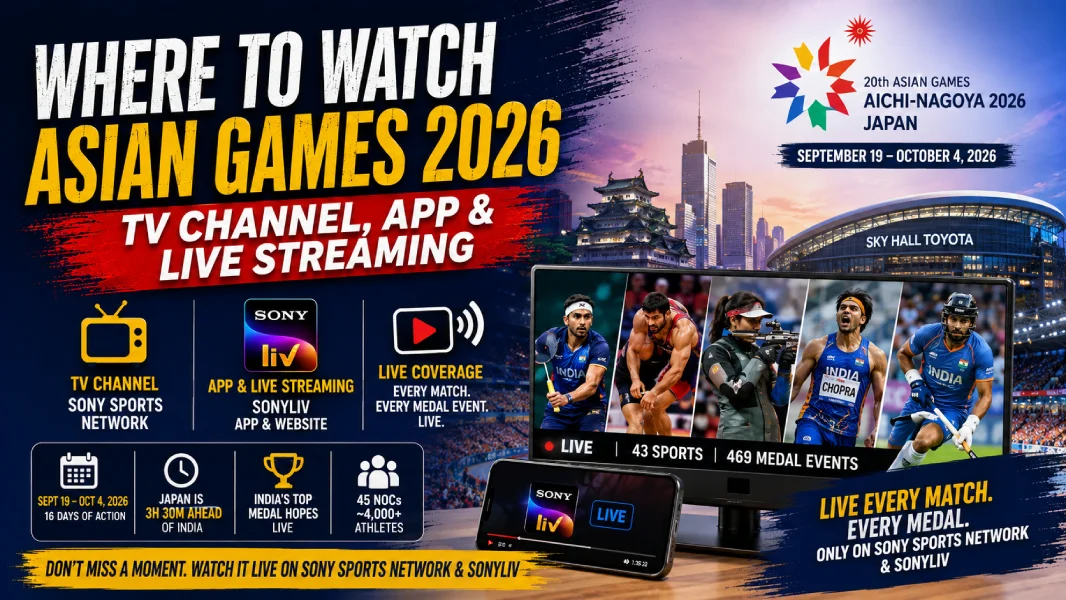
Indian viewers can also explore Khel Gossip’s Asian Games 2026 viewing guide. For sport-specific reading, see the table tennis schedule guide and volleyball schedule guide.
Frequently Asked Questions
What Is the Name of the Asian Games 2026 Mascot?
The official mascot is Honohon, written as HONOHON on the organising committee’s English profile. Official mascot profile.
Does “Asian Games 2026 Mascot Logo” Refer to One Design?
The phrase can refer to two separate elements: the Honohon character and the official Games emblem. When searching for pictures, specify which one you need.
What Does the Red Sun in the Logo Represent?
The red sun represents the Olympic Council of Asia. It forms part of the emblem’s wider theme of unity and forward movement. Official emblem guide.
Where Will the 2026 Asian Games Take Place?
Japan will host the Games under the Aichi-Nagoya 2026 name. The official Games period runs from September 19 to October 4, 2026. OCA Games update.
How Can I Check Whether a Mascot Picture Is Official?
Compare it with the organising committee’s mascot page and check where the image was published. For reliable Asian Games 2026 mascot logo research, keep the original source link rather than relying only on an image-search preview.